Why Bicycle Accident Victims in Denver Need Strong Legal Representation

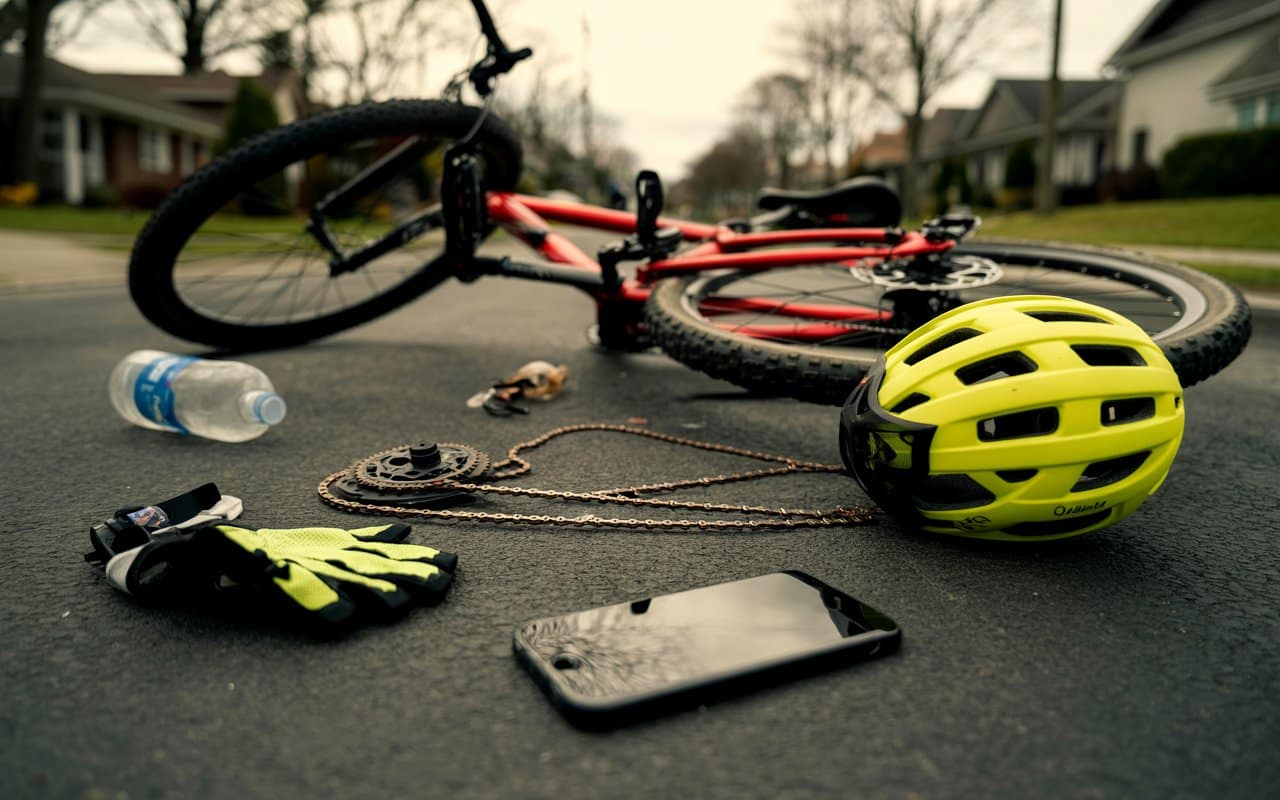
A bicycle crash can alter a life in a matter of seconds. One driver glances at a phone, opens a door into a bike lane, turns across an intersection without yielding, or misjudges the space needed to pass safely. The rider takes the full force of that mistake. What looks minor from a driver’s seat often produces major injuries on a bike, because a cyclist has almost no protection beyond a helmet, some clothing, and reflexes.
In Denver, those cases deserve close legal attention. The city has invested heavily in cycling infrastructure, and more people ride now than they did a decade ago, whether for commuting, exercise, or errands. That is good for traffic, health, and the city’s character. It also means more points of conflict between bicycles, cars, delivery vehicles, buses, rideshare drivers, and pedestrians. When a crash happens, the legal issues are rarely as simple as an insurance company wants the injured rider to believe.
Strong representation matters because bicycle claims are often undervalued at the start. Adjusters may treat the event like a low-speed mishap, especially if the bike was moving more slowly than a car would have been. They may question the rider’s visibility, clothing, lane position, or decision-making before the facts are fully developed. They may call before the full medical picture is known. If the victim is missing work, worried about rent or mortgage payments, and trying to manage pain, that pressure can work exactly as insurers intend.
A seasoned attorney changes the dynamic. A good Bicycle Accident Lawyer Denver residents can rely on does more than file paperwork. The lawyer preserves evidence, identifies every responsible party, builds a coherent liability theory, works with doctors and experts when necessary, and translates the real human cost of the injury into a claim that cannot be brushed aside.
Bicycle crashes create a different kind of injury claim
People who have never handled or lived through a bicycle injury case often underestimate how complicated it can become. A rider may be struck by a vehicle and still leave the scene conscious, talking, and trying to be polite. Adrenaline does a lot of masking in the first hour. Later that day, or the next morning, the person may discover a fractured wrist, a separated shoulder, a concussion, a herniated disc, or significant soft tissue injury.
Some injuries common in bicycle cases are medically obvious and well documented. A broken collarbone on imaging is straightforward. Others are harder to prove but equally disruptive. Concussions can affect concentration, memory, sleep, light sensitivity, and mood. A road rash injury may sound superficial, yet severe abrasions can require extensive wound care and carry a real risk of infection and permanent scarring. A knee injury that seems manageable at first may later reveal ligament damage that limits walking, stairs, or return to recreational activity.
That complexity matters because insurance carriers value what they can document, measure, and challenge. If a rider settles too early, before the treatment course is clear, the claim may close long before the real cost of the injury is understood. Once that release is signed, there is usually no reopening the case because symptoms worsened or future care became necessary.
Cyclists also suffer losses beyond the emergency room bill. A person who commuted by bike may suddenly need rides, rental cars, or public transit. The damaged bicycle itself may represent a significant investment. It is not unusual for a serious road bike, e-bike, gravel bike, or custom commuter setup to cost several thousand dollars, especially after adding lights, racks, pedals, computers, child carriers, and protective gear. Lost training time matters to competitive riders. Lost mobility matters to everyone.
Denver presents its own risks and legal realities
Denver is not a generic backdrop for bicycle claims. Local traffic patterns and street design shape how these cases arise. Busy corridors, downtown one-way streets, changing lane markings, construction zones, mountain weather shifts, and a growing number of distracted drivers all affect both how crashes happen and how fault is argued.
Dooring remains a serious problem in urban areas, especially where bike lanes run adjacent to parked cars. A cyclist riding lawfully can still be thrown into traffic by a door that opens with no warning. Right-hook collisions, where a vehicle passes a rider and then turns right across the cyclist’s path, are another common pattern. Left-turn crashes at intersections often lead to disputes over who had the right of way, whether the rider was visible, and whether the driver had enough time to react. Add snow, ice, sand, poor drainage, potholes, or faded lane markings, and the facts can get even murkier.
Denver claims can also involve government entities if road design, maintenance, or signage played a role. Those cases are different from claims against private drivers. Deadlines can be shorter, notice requirements stricter, and immunity issues more technical. A rider who assumes the process is the same as a routine auto insurance claim can lose valuable rights before realizing what was required.
This is one reason local knowledge matters. A lawyer familiar with Denver bicycle cases is more likely to understand recurring crash locations, common traffic defenses, and the practical realities of dealing with local insurers, medical providers, and courts.
Insurance companies often look for reasons to shift blame
Many injured cyclists are surprised by how quickly fault becomes contested. Even where the driver was cited, the insurer may still argue comparative negligence. Colorado’s modified comparative fault rules make that issue important. If the rider is found partly responsible, any recovery can be reduced by that percentage. If fault reaches the legal bar, recovery may be lost altogether.
That gives insurers every incentive to raise familiar themes. They may ask whether the cyclist wore reflective gear, used proper lighting, signaled a turn, rode far enough to the right, moved unexpectedly, or entered the intersection too fast. Sometimes those questions are legitimate. Sometimes they are fishing expeditions designed to create ambiguity where the underlying event was simple driver negligence.
Representation matters most in the gray areas. Consider a rider struck at dusk in a bike lane by a driver exiting a parking lot. The insurer may focus on visibility and whether the bike’s front light was bright enough. A strong advocate looks deeper. What was the driver’s line of sight? Was the driver inching forward carefully or rolling through? Was there video from a nearby business? Were there witness statements taken at the scene? Did the vehicle strike the bike in a way that confirms the cyclist had already entered the conflict zone and should have been seen?
These details win or lose cases. They also disappear quickly. Surveillance footage can be overwritten. Witnesses become harder to find. Vehicles get repaired. Road conditions change. A damaged helmet or bent wheel that tells the force and angle of impact may be discarded if no one advises the victim to preserve it.
Evidence is perishable, and timing matters
The first days after a bicycle crash are not only about medical care. They are also the window when the strongest evidence can still be captured. A rider who waits too long may still have a valid claim, but proving it becomes harder.
The most useful early steps are usually simple:
- Get medical evaluation promptly, even if symptoms seem manageable at first.
- Photograph injuries, the bicycle, the vehicle, the roadway, and any traffic controls.
- Keep the damaged bike, helmet, clothing, lights, and gear in their post-crash condition.
- Avoid giving a recorded statement to the insurer before understanding the case.
- Speak with counsel before accepting any early settlement offer.
Those steps are practical, not dramatic. They help anchor the claim in facts rather than memory. In bicycle cases, physical evidence often speaks more clearly than either party does. A cracked helmet can support the force of a head impact. Tire marks can rebut a claim that the cyclist darted into traffic. A bike computer or fitness app may help establish speed, route, or stopping point. Even torn clothing can matter if it shows where the body first contacted the pavement.
A lawyer’s office can then build from that foundation. Depending on the case, that may include obtaining bodycam footage, 911 recordings, dispatch logs, black box data, intersection timing information, business surveillance, scene measurements, and https://mylesptox601.wordcanopy.com/posts/what-parents-should-know-about-child-bicycle-accident-claims-in-denver expert review. Not every case needs all of that. Good representation includes judgment about which facts matter enough to pursue and which do not justify the cost.
Medical recovery and legal strategy have to move together
One of the hardest parts of a bicycle injury claim is that the legal timeline and the healing timeline rarely match. Insurers often want to settle early, while the rider is still attending appointments and before specialists have weighed in. From the carrier’s perspective, uncertainty is an opportunity. From the victim’s perspective, uncertainty is risk.
A strong lawyer does not rush a client into closing the file for convenience. That does not mean every case should drag on unnecessarily. It means the legal strategy should be informed by the medical reality. If a wrist fracture is healing well and treatment is nearly complete, valuation may be relatively direct. If the rider has ongoing dizziness, headaches, neck pain, or nerve symptoms, patience is usually warranted until prognosis is clearer.
This is especially true when the injury affects a person’s ability to work. A software engineer with post-concussion symptoms may struggle to code for sustained periods. A nurse with a shoulder injury may not be able to lift patients. A contractor with a knee injury may be unable to climb ladders or carry materials. The same diagnosis can have very different economic consequences depending on the person’s job, age, and physical demands.
Lawyers who understand this do more than total up bills. They gather wage documentation, communicate with treating providers, and frame the claim around function, not just diagnosis codes. They look at what the client could do before the crash, what they can do now, and what future care or limitations are reasonably likely.
The defense is not always the driver alone
Another reason bicycle accident victims in Denver need strong legal representation is that liability can extend beyond the person behind the wheel. That question is often missed when someone treats the crash as a basic auto claim.
A delivery driver may have been working at the time of impact. A rideshare collision may involve layered insurance issues. A commercial vehicle may bring in a company policy and separate evidence preservation obligations. A dangerous roadway defect may point toward a public entity or contractor. A poorly maintained vehicle, defective bike component, or negligent repair can create additional claims in less common cases.
Identifying those possibilities early can change the value of the case dramatically. It can also influence strategy. Commercial defendants tend to defend claims more aggressively, but they also often carry larger policies. Government claims may require strict procedural compliance. Product-related claims may call for engineering review or preservation protocols that ordinary injury cases never reach.
This is not about turning every bicycle crash into sprawling litigation. It is about not leaving facts unexplored when the client’s injuries are serious enough to justify a thorough investigation.
Serious injuries deserve serious valuation
A fair settlement is not the amount that clears the current stack of bills. It should reflect the full range of losses caused by the crash, including those that are easy to overlook when the immediate crisis dominates attention.
A strong claim often accounts for several categories of harm:
| Category | What it can include | |---|---| | medical losses | emergency care, imaging, surgery, physical therapy, follow-up visits, medication, future treatment | | income losses | missed paychecks, reduced hours, lost contract work, diminished earning ability | | property damage | bicycle replacement or repair, helmet, electronics, clothing, accessories | | pain and suffering | physical pain, sleep disruption, emotional strain, loss of normal daily activity | | long-term impact | scarring, chronic symptoms, permanent limitations, future mobility issues |
What makes valuation difficult is not the categories themselves. It is the proof. Two people can have the same hospital charge and very different life disruption. A recreational rider who can no longer ride with a spouse or child has suffered something real, even if no spreadsheet captures it neatly. A professional whose concentration is impaired for six months may lose opportunities that do not show up on a standard wage statement.
Defense carriers know this. They often emphasize what is most concrete and discount what is hardest to measure. That is why narratives matter. Medical records matter. Consistent treatment matters. Sometimes family observations matter. A persuasive case explains how the injury changed the client’s routine, work, independence, and identity, without exaggeration and without sentimentality.
Many victims make understandable mistakes early
Injury victims are not careless when they stumble in the first weeks after a crash. They are overwhelmed. They are trying to heal, keep appointments, repair transportation problems, and answer calls from insurers. That is exactly when small decisions can create long-term problems.
A rider may say “I’m okay” at the scene out of shock and embarrassment, then later face an argument that the injury could not have been serious. Someone may post a smiling photo from a family event and learn that the insurer is using it to suggest full recovery, even though the person spent most of the day in pain. Another may miss therapy appointments because transportation became difficult, giving the defense room to argue the injury would have resolved with proper compliance.
Strong representation does not erase every inconsistency, but it helps prevent avoidable ones. It also gives the client space to focus on treatment instead of constant negotiation. That matters more than people expect. Recovery tends to go better when the injured person is not spending every week arguing with an adjuster over records, bills, bike estimates, and blame.
Trial readiness changes settlement leverage
Most bicycle accident claims settle. That is true. It is also incomplete. Cases tend to settle well when the other side believes the plaintiff is prepared to try the case if necessary. Insurance carriers track which firms investigate thoroughly, present organized damages, and litigate competently. They also know which claims are likely to fold under pressure.
That does not mean every lawyer should be combative for show. Empty threats help no one. But credible trial readiness matters. If liability is disputed or the injuries are significant, the defense will evaluate not only the facts, but also whether plaintiff’s counsel can put those facts in front of a jury clearly and persuasively.
Bicycle cases can benefit from that pressure because jurors often understand the vulnerability of riders once the evidence is presented cleanly. They know what it means to share roads with larger vehicles. They know that one careless turn or one opened door can do enormous harm. The challenge is getting the case to the point where the defense sees that risk clearly enough to negotiate honestly.
Choosing the right lawyer is not just about advertising
A person searching for a Bicycle Accident Lawyer Denver offers plenty of options, at least on paper. Billboards and search results are not the same as fit. Bicycle injury cases benefit from counsel who understands both injury law and the specific dynamics of cycling crashes.
A useful consultation should feel concrete. The lawyer should ask where the rider was positioned, what the roadway looked like, whether there were bike lanes or parked cars, what symptoms developed, and what communication has already happened with insurers. They should be willing to discuss realistic strengths and weaknesses, not simply promise a large result. They should also explain fees, case costs, likely timelines, and what role the client will need to play.
Clients do not need a lecture in legal theory. They need honest assessment and a plan. Sometimes that plan is a straightforward insurance claim with careful documentation. Sometimes it is immediate evidence preservation followed by litigation. Judgment is what separates experienced counsel from marketing.
Strong representation protects more than a case value
At its best, legal representation gives an injured cyclist structure during a chaotic period. It organizes the facts. It creates distance from insurer tactics. It reduces the risk of a rushed settlement. It helps ensure the person’s injuries are seen in full, not in fragments.
That matters in Denver because cycling is part of daily life for many residents, and riders should not be treated as marginal road users when they are harmed. They have rights. They are entitled to the same serious consideration as anyone injured by negligence. In practice, getting that consideration often requires someone who knows how to press for it effectively.
A bicycle crash can leave behind surgery scars, months of rehab, lost confidence in traffic, and financial strain long after the police report is filed. Strong legal representation cannot undo the collision. It can, however, make the difference between being managed by an insurance process and being fully advocated for within the legal system. For many bicycle accident victims, that difference is the one that ultimately shapes recovery, both financial and personal.